

Neutering your cat is one of the most responsible and beneficial choices you can make as a pet owner. Whether you have a male or female cat, understanding the right time to neuter and why it’s important can have a significant impact on their health, behaviour, and quality of life. It also helps address the broader issue of feline overpopulation.
When to Neuter a Cat
In the UK, the recommended age to neuter a cat is from four to five months old. This guidance is supported by leading animal welfare organisations such as the PDSA, Cats Protection, and the RSPCA. At this age, kittens are old enough to undergo the procedure safely, while still young enough to prevent the onset of behaviours linked to sexual maturity, and before a female cat can become pregnant.
Spaying or castrating your cat at the recommended age also means a quicker recovery and fewer complications, as younger animals tend to heal more swiftly than adults. Some rescue centres and veterinary clinics may perform neutering as early as 9 to 12 weeks, particularly in multi-cat households or where early intervention is vital. Your vet will advise you based on your cat’s breed, size, and general health.
It’s important not to wait until your cat has had a litter or shown signs of mating behaviour. Contrary to some myths, there is no benefit to letting your cat have one litter before neutering, and doing so can increase the risk of future health problems.
Why Neutering Is Important
Neutering (spaying for females, castrating for males) offers a wide range of benefits, both for your cat and for cat welfare across the UK.
1. Health Benefits
- Reduces the risk of serious illness: Spaying female cats significantly lowers the risk of mammary tumours and eliminates the risk of uterine infections (pyometra) and ovarian cancer. For male cats, castration prevents testicular cancer and reduces the likelihood of prostate issues.
- Less risk of infectious diseases: Neutered cats are less likely to contract diseases such as FIV (feline immunodeficiency virus) and FeLV (feline leukaemia virus), which are commonly spread through biting and mating.
- Longer lifespan: Studies have shown that neutered cats tend to live longer, healthier lives due to the reduction in risky behaviours and medical complications.
2. Behavioural Improvements

- Less spraying and marking: One of the most common concerns among cat owners is urine spraying. Neutering can significantly reduce or even eliminate this behaviour, particularly in male cats.
- Decreased aggression: Neutered cats are often less aggressive and less likely to engage in fights, especially with other males.
- Reduced roaming: Entire (unneutered) cats often travel long distances in search of a mate, putting them at risk of traffic accidents, injuries, or getting lost. Neutered cats are generally more home-focused.
- Calmer, more settled pets: Many owners notice their cats become more affectionate and relaxed following neutering, as they are no longer driven by hormones.
3. Preventing Unwanted Litters
Each year, thousands of kittens are born unwanted here in the UK. Many end up in rescue centres or worse, abandoned and left to fend for themselves. Neutering helps prevent these accidental litters, supporting the work of animal charities and reducing the number of cats in need of homes.
Cats can become pregnant from as early as four months old, and females can produce up to three litters a year. That’s why timely neutering is so crucial it not only prevents your own cat from reproducing, but also helps control the wider population.
Common Concerns About Neutering
Some owners worry that neutering will alter their cat’s personality or lead to weight gain. While it’s true that neutered cats may be a little less active, this can be managed with a balanced diet and regular exercise. Their loving and playful nature will remain unchanged.
Another concern is the safety of the procedure. Neutering is a routine operation carried out under general anaesthetic. Most cats recover quickly, often returning to their normal selves within a day or two. Your vet will provide pain relief and aftercare instructions to ensure your cat stays comfortable and heals properly.
What to Expect After Neutering
Post-surgery, your cat will need a calm environment to recover. Key aftercare steps include:

- Keeping your cat indoors for a few days to prevent overexertion.
- Monitoring the incision site for signs of redness, swelling, or discharge.
- Preventing your cat from licking or scratching the area, often using a soft recovery collar.
- Following your vet’s guidance on feeding and activity levels.
Most cats bounce back quickly, especially when neutered at a younger age. If you have any concerns during recovery, always contact your vet.
Neutering and Boarding Catteries
An additional reason to consider neutering your cat is the policy followed by most UK catteries regarding unneutered pets. While not a universal requirement, the majority of boarding catteries, including here at Furballs Cattery do not accept unneutered cats over six months of age.
This policy exists for both hygiene and welfare reasons. Unneutered male cats often develop a very strong and distinctive odour, and their tendency to spray urine can be extremely disruptive. Likewise, unspayed females that come into season can cause stress and agitation, not just for themselves, but for the other cats nearby.
Catteries aim to provide a calm, safe, and pleasant atmosphere, and introducing unneutered cats can upset that balance. While a small number of facilities may cater for entire males or females, these are the exception rather than the rule. If you plan to use a boarding cattery in future, timely neutering is not only beneficial for your cat’s wellbeing, but it also ensures they’ll be eligible for quality accommodation when needed.
Final Furballs Thoughts
Neutering is a simple, safe, and essential part of responsible cat ownership. It contributes to better health, more settled behaviour, and fewer unwanted kittens needing homes. By neutering your cat at the right time, ideally between four and five months, you’re giving them the best start in life and helping to protect the welfare of cats across the UK.
If you’re unsure about the right timing or have concerns, speak to your vet or consult trusted organisations such as Cats Protection or the PDSA. They offer expert advice and can often assist with reduced-cost neutering for those in need.
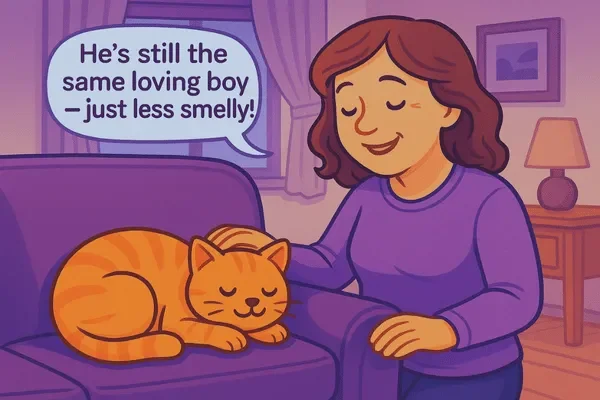
Understanding when and why to neuter is just one step in giving your cat the best care possible. Here at Furballs Cattery, a 5-star licensed, family-run cattery in the Hampshire countryside we’ve welcomed thousands of cats over the years, each one with their own needs and story.
If you’re nearby, discover why so many local cat lovers choose us. Where to find us.
Useful Links:


